The Perfect Pie Crust Starts With a Great Base
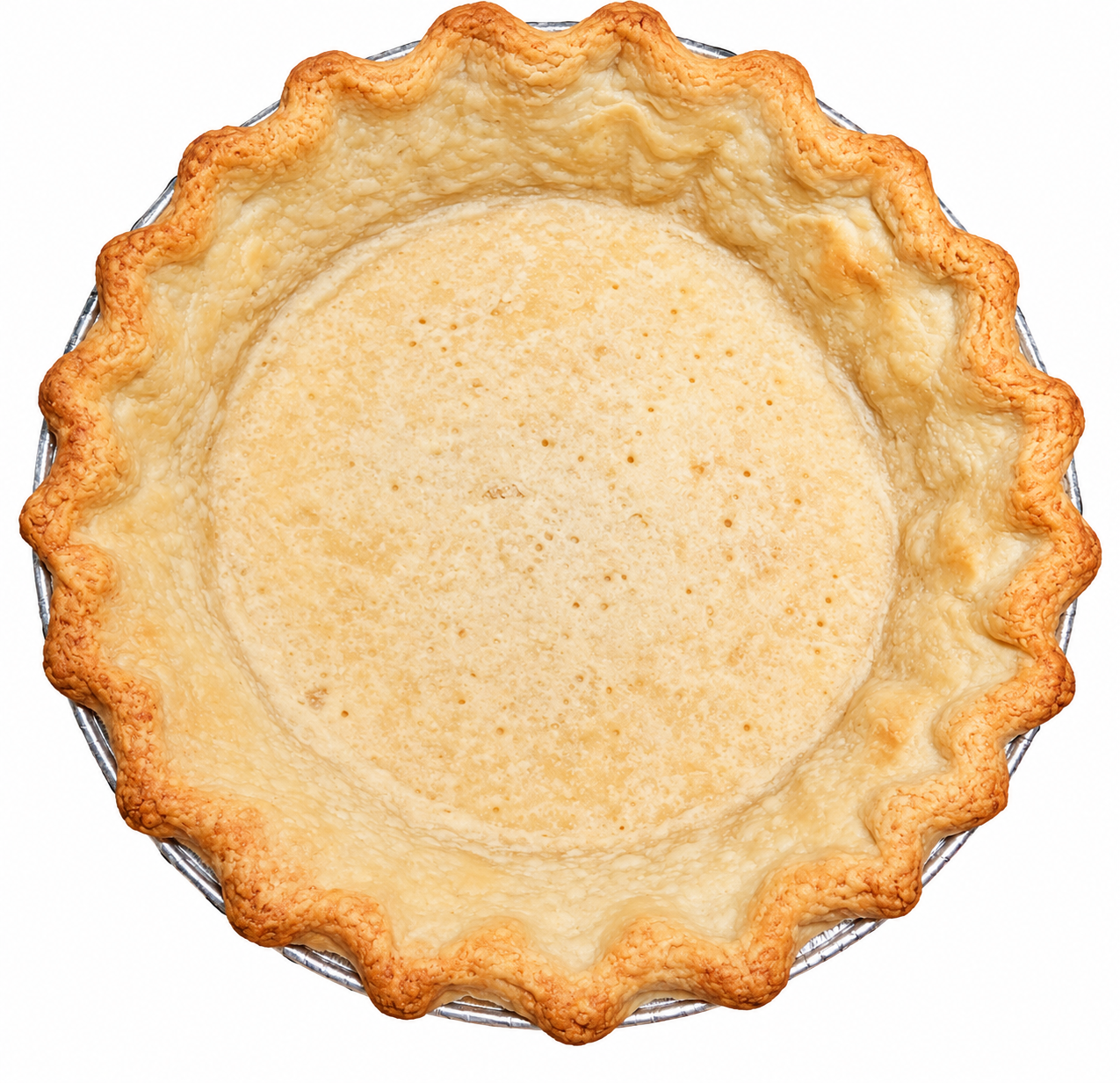
A good pie starts with a good crust, and having a simple base recipe makes it easy to create all kinds of delicious pies. A basic pie crust should be buttery, flaky, and sturdy enough to hold your favorite filling without overpowering it. Once you have a recipe you like, you can use it for everything from classic apple and pumpkin pies to fun new flavors.
The best part about having a reliable base recipe is that you can easily make it your own. Try adding a little cinnamon for a spice-filled twist, or use different fillings depending on the season. Having a go-to pie crust recipe takes some of the stress out of baking and gives you a great starting point for experimenting with new desserts.
Makes one 9 or 10-inch pie crust
- 1 ⅓ cups flour
- 1 tablespoon + 2 teaspoons sugar
- 1 teaspoon salt
- 10 tablespoons butter, cold and cubed
- ** Substitute up to ½ the butter in this recipe with shortening or lard for a more tender (but less buttery in flavor) pie crust
- 2 tablespoons water, cold
We’re using a food processor; the process is so important for the perfect, flavorful, tender, flaky pie crust!
In a food processor, pulse flour, sugar, and salt together with butter until sandy (approx 15 pulses). Add 2 tablespoons of water and pulse 5 blitzes or so just until it comes together, yet is still a tad sandy in areas.
Knock dough out onto 2 sheets of plastic wrap and while folding the plastic wrap over on itself, use the palm of your hand to tap the dough edges together without directly touching it. This friction and forced “mushing” will act as the final incorporation of the water and safeguard against any risk of overmixing your dough and creating unnecessary gluten. Continue folding the dough over onto itself between the sheets of plastic wrap until you have one dense, consistent, pale yellow mass. Tap the dough down and out as far and wide as you can with the palm of your hand to allow it to chill more evenly and set you up for less rolling pin action when the time comes. Ensure all plastic wrap is snug to the dough and refrigerate for 1-2 hours.
Grease pie dish and heat oven to 350F. Unwrap pie dough on a floured surface, flour the top of the dough lightly and begin rolling the dough out to make a large circle (bigger than the face of your pie dish). Turn the dough clockwise after every roll to ensure the dough does not stick to the countertop. Continue dusting lightly with flour as needed if at any point the dough begins to stick. Work quickly- you want to keep your dough (and butter) as cold as possible.
When your dough is ¼ inch thick, fold it in half and drape it into a greased pie dish, allowing the edges to drape over the side. Use the palm of your hand and fingertips to ensure the dough is flush with the inner contour of the pie dish. With a clean pair of scissors or a sharp pairing knife, trim the dough along the pie dish just below the outer edge. Crimp the edges of the pie crust with your thumb and forefinger, then fork the base of the dough (if blind baking to complete with a separate filling) or fill with fruit/veggie of your choice.
If blind baking, freeze dough 5 minutes before lining with a coffee filter and dried beans/rice/pasta. Bake at 350F for 30 minutes. Carefully remove the coffee filter and weights and bake an additional 10-15 minutes to get a golden brown color on the bottom crust. Cool completely before filling.